Independents Day
A rebel yell (of appreciation) for America's bravest independent filmmakers

“Culture generates business, and when we let business determine the culture, everyone suffers.” - Ted Hope
The United States may have built the world's most successful movie industry, but it has never been particularly supportive of movies as an art form. In Europe, Asia, Latin America and elsewhere, filmmakers have access to government-backed arts funding. The U.S. has other priorities. The only art form worth subsidizing here is business.
With a balance sheet as our canvas, and money as our chosen medium, We The People are enjoying a bit of a golden era. Last year, Americans reportedly wagered more than $165 billion on sports - more than we spent on movies, books, concerts, and live sporting events combined - while our president pocketed hundreds of millions from cryptocurrency ventures. Just this week, the Supreme Court further loosened campaign finance restrictions. Future art historians may come to regard this not as an era of unbridled greed and corruption, but as the mature period of America's crony capitalist aesthetic.
For those of us working in less lucrative mediums - film, music, literature - the present era has been far from golden.
Of all the things I will never understand about my homeland, this is the one that perplexes me most. How can a country that gave the world so many artists, genres, and cultural movements care so little about preserving them? And why are we no longer compelled to invest in the creators of new ones?
This weekend, the United States turns 250, and given the state of the union, I've found it difficult to muster much patriotic enthusiasm. But I have found something worth celebrating - one of our nation's most undervalued resources: its independent filmmakers.
Today on Underexposed, we salute five American independent films that deserve more recognition.
Underexposed is a weekly ad-free film publication celebrating great underseen cinema and moviegoing culture. Paid subscribers get exclusive essays, videos, and more - while supporting the future of movie culture.
Little Fugitive (1953, Raymond Abrashkin, Morris Engel, Ruth Orkin)

In the late nineteenth and early twentieth century, Coney Island was the place to unveil miraculous innovations - from the lightbulb to the baby incubator to the hot dog. Thomas Edison captured the spectacle in one of the earliest films, Coney Island at Night. Half a century later, Coney Island was the improbable setting for the first ripple of the French New Wave. In Little Fugitive, a trailblazing independent docudrama hybrid, a seven-year-old boy runs away from home after a prank convinces him he’s killed his brother. Hiding out in Coney Island, he encounters cowboys, cotton candy, and carnival barkers before returning home.
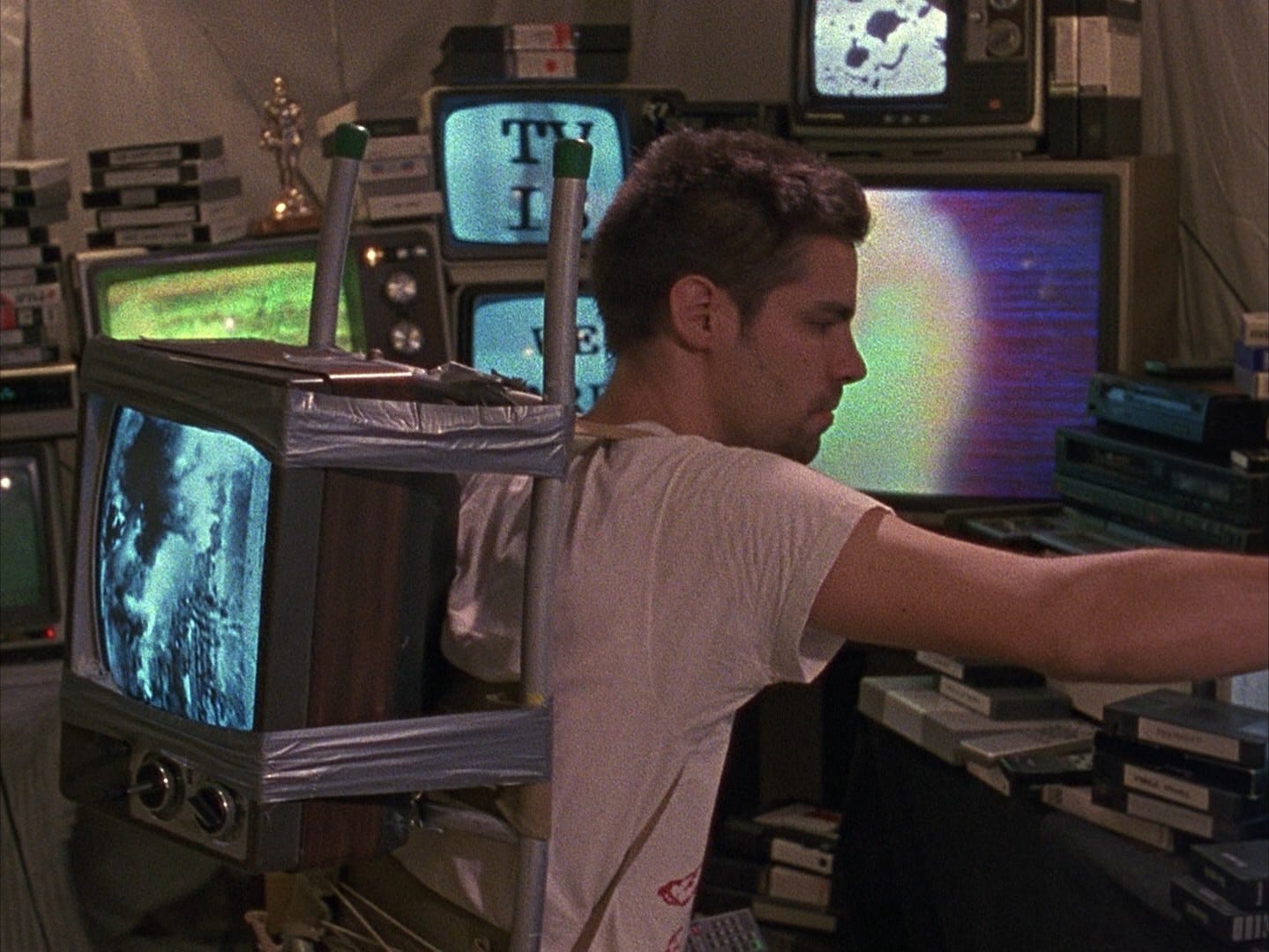
Shot with a hidden customized 35mm camera - a precursor to the Steadicam, which Jean-Luc Godard later asked to borrow - former Navy photographer Engel was able to capture authentic portraits of the boardwalk bustle – images that would inspire neorealistic filmmaking throughout the back half of the century and beyond. Little Fugitive screened at 14th Venice International Film Festival, where it won the Silver Lion, and endures as a landmark achievement of independent film. You can watch it here.
Wanda (1970, dir. Barbara Loden)
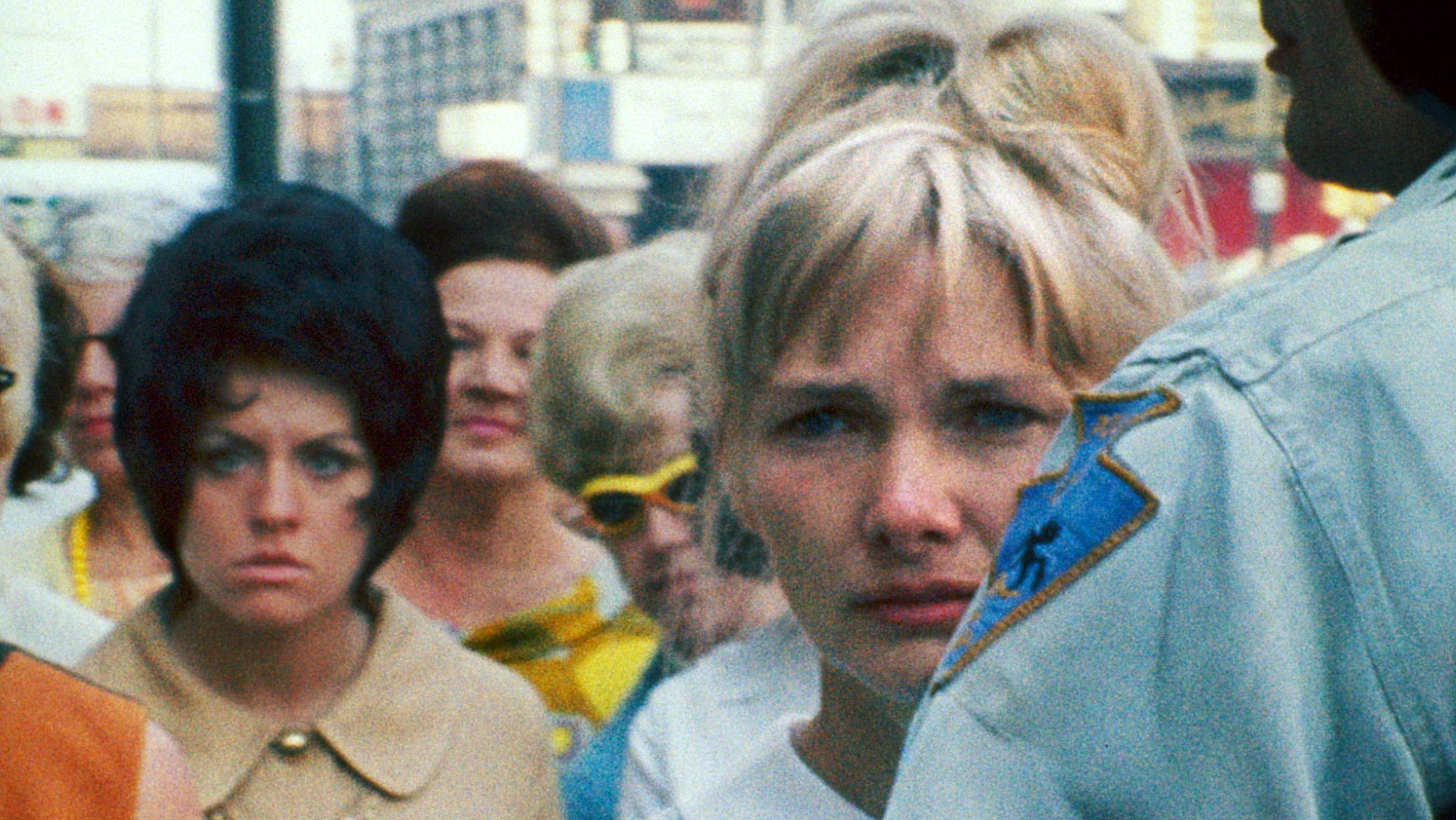
As a child, Barbara Loden hated movies. The flawless features of the stars made her feel inferior, she confessed. “They’re too perfect to be believable.”
Born and raised in Asheville, North Carolina, Loden made her way to New York City, where she wiggled on the chorus line at the Copacabana before finding her way to acting - first on the Ernie Kovacs Show, then in films like Splendor in the Grass, and finally on Broadway, where she won a Tony.
After marrying Elia Kazan, Loden decided to make her own film. Inspired by a newspaper article, she wrote, directed, and starred in Wanda, the story of an aimless, recently-separated housewife in Pennsylvania coal country who takes up with a bank robber. The film was shot with a crew of four on 16mm, working in a gritty documentary style that has been compared to John Cassavetes (Loden cites the films of Godard and Warhol as inspirations). Though Wanda won the International Critics Award at the 1970 Venice Film Festival, Wanda baffled critics and audiences (Pauline Kael called the character “dumb and stupid”).
Many decades later, it has been rediscovered and championed by Isabelle Huppert, John Waters, Wim Wenders and many others. The Criterion Collection released a restored version of the film in 2019, which you can watch here.
Sherman’s March (1986, Ross McElwee)
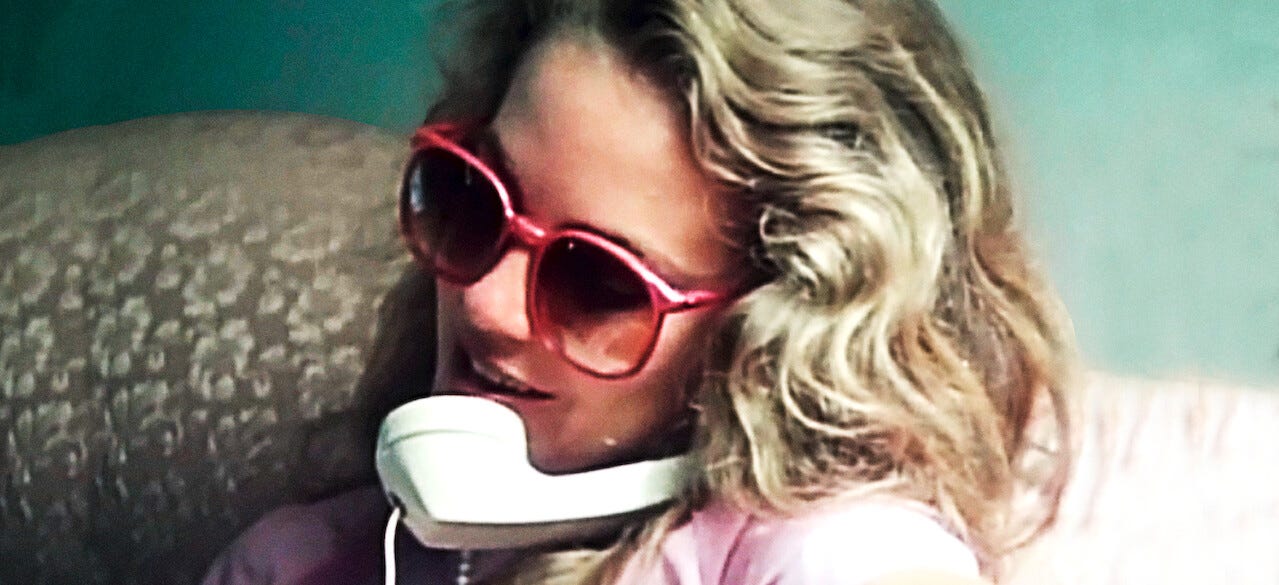
Failure in one pursuit can make room for unexpected experiences elsewhere, far richer than you initially imagined. Initially planned as a historical documentary about the lingering toll of General Sherman’s Civil War campaign, a tumultuous breakup inspired filmmaker Ross McElwee to blend his personal romantic struggles into the narrative - with hilarious, sad, and frequently magical results.
Armed with a camera and a $9,000 grant, McElwee made the film as a crew of one over the course of five months, and subtitled it “A Meditation on the Possibility of Romantic Love In the South During an Era of Nuclear Weapons Proliferation.” Sherman’s March went on to win the Grand Jury prize at Sundance, and trigger a tidal wave of first-person, self-searching documentaries. To celebrate the film’s 40th anniversary, Music Box is re-releasing it at Film Forum and other select theaters.
The list continues below. But first, the news:
News Reel
PlayStation is deleting 500+ movies and ending disc production by 2028, a worrying development for the future of film preservation and consumer rights, as consumers who purchased movies to own will soon find that their purchases have vanished. “Consumers have rights, and a purchase should be a purchase for life. It means demanding formats that respect the planet and the customer at the same time, instead of whichever option is cheapest for the shareholders,” writes Jeff Rauseo.
Good news - NEON has acquired Artificial, Luca Guadagnino’s Sam Altman biopic, after Amazon dropped it, and other potential distributors shied away. “One man’s trash is another’s treasure. Although in 2026, with far less of a chance at theatrical commercial glory, I’d argue that NEON is picking up the film for the same reason that Ketchup Entertainment grabbed Coyote Vs. ACME, namely, that cultural capital will outweigh possible revenue-specific losses,” writes Scott Mendelson.
The Edgelord Bubble is About to Burst, Mo_Diggs predicts. “The powers-that-be would rather us be angry and alone on our phones than experiencing collective ecstasy together because collective ecstasy can always turn to collective rage, but frustrated lonely anger is the arable soil of authoritarianism. Tech companies make more profit off edgelord content, especially of the AI sort, than they do off crowds frolicking in the park.”