
Return to the Unknown
The Lost Art of Mystique: Why Filmmakers Should Stop Oversharing in the Digital Age
“Access is fuckin’ over. Scarcity is the next big thing, guys. I think the next move is, ‘This thing’s incredible. Good luck trying to find it.’” - Mark Duplass, SXSW 2026
To release a film in 2026, we’re told we should - must - “share our process.” Share it early, often, and loudly across all platforms, so that we “build an audience” for our movies when we finally release them.
I get the logic. But I distrust what it produces. And I’m starting to worry that oversharing artists may be doing more harm to themselves than good.
Filmmakers didn’t choose to perform this way, of course; Big Tech chose it for us. Like shy forest creatures plunked into a petting zoo, we must contort ourselves unnaturally, and learn to tolerate all the tiny groping hands - or face extinction.
Are there massive benefits to being a filmmaker in the digital age? Absolutely. We’re participating in one of them right now. Cameras and editing software are more accessible than ever. Technology enables artists to build global audiences - for free - which has brought the world’s attention to those living oceans away from cultural hubs.
Those hubs are now crumbling, and tech platforms are taking their place. The biggest (and worst) of these platforms act like digital meat grinders, shaving culture’s sharper, weirder objects into smooth, dull shapes. Corporate consolidation and A.I. threaten to homogenize it even further. Cinema, to the extent that it survives under these conditions, is increasingly disfigured by algorithmic and financial imperatives.
Yes, it’s bleak. But for the first time in a while now, I’m hopeful - hopeful it’s about to get way, way better - as if by magic.
Underexposed is a weekly ad-free film publication celebrating great underseen cinema and moviegoing culture. Paid subscribers get exclusive essays, videos, and more - while supporting the future of movie culture.
The Lost Art of Mystique
“Mystique” all but vanished as a cultural value in the social media era, mainly because it cannot be easily understood by an algorithm, and is therefore worthless. A Google search for the word mystique yields nothing but the X-Men character - page after page of squabbling fandom and queer superhero think pieces. Nothing on the indelible aura of mystery, awe, and power that art stirs in us.
I first glimpsed mystique at Captain Andy’s Rivertowne, a malodorous Chuck E. Cheese knock-off at the Putty Hill Plaza in suburban Maryland. Unlike the animatronics at Chuck E. Cheese, which froze in a dead-eyed stupor between performances, Captain Andy and his crew disappeared behind a curtain - preserving, in my young mind, their shaggy allure. They were alive back there, I thought. Choosing when to reveal themselves.
At age ten, I found mystique at the movies. We were living in Palo Alto, where the Stanford Theatre boasted not just a curtain, but a live organ player who descended into the stage as the curtain lifted. The Hitchcock films I first saw there - North by Northwest, Vertigo, The Birds - are forever suffused with the enchantment of that setting.
Not once have I encountered mystique while scrolling my phone, or watching something on my couch.
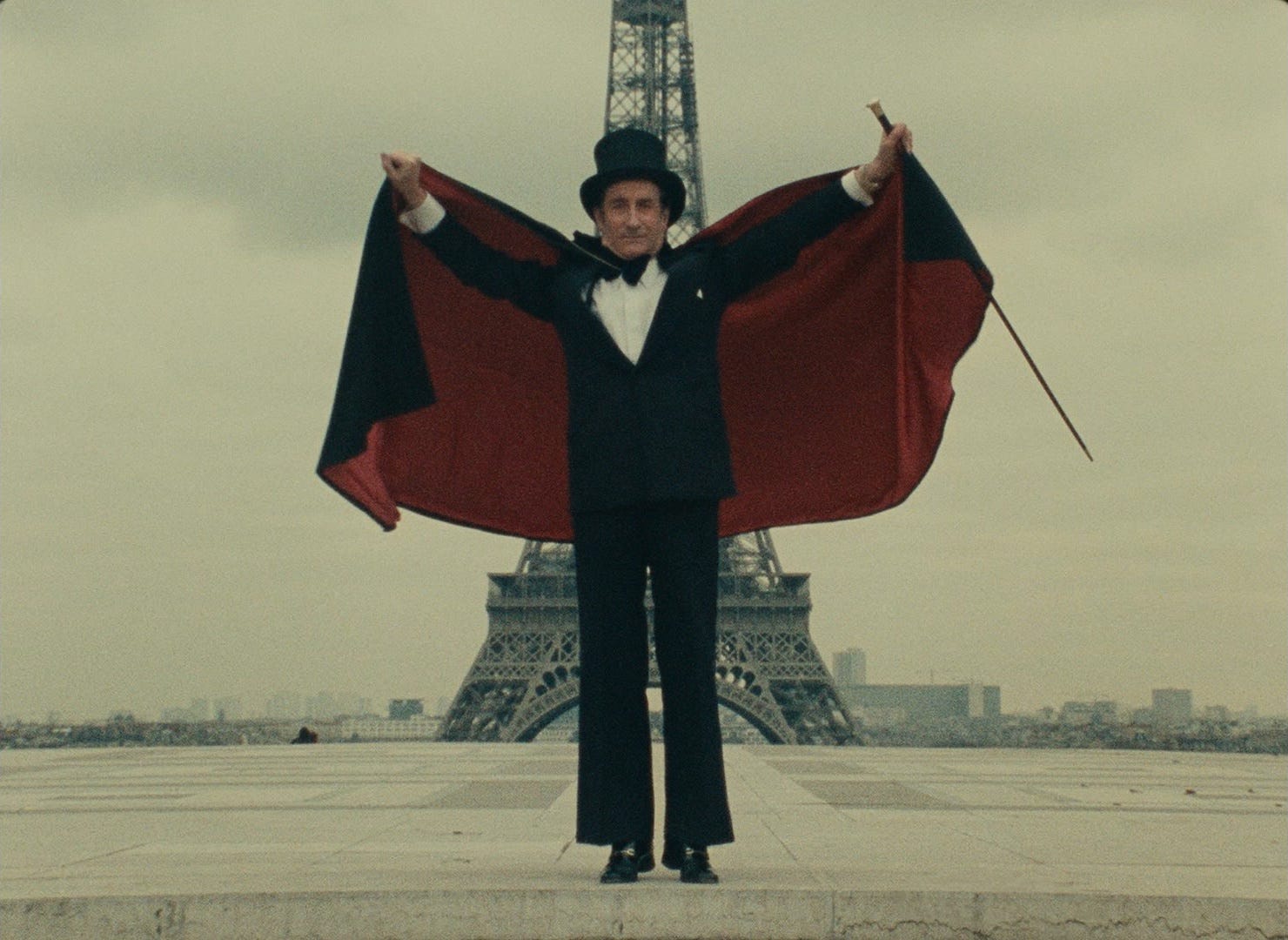
Cinema, at its best, lives in the realm of magic. A magician does not narrate the trick as she performs it, or tell you how she tricked you after. She leaves you in astonished mystery.
Hence my ambivalence about “sharing my process.” Human creativity occurs in a watery darkness. It’s an internal process beyond language that looks like… well, nothing… until suddenly, something emerges. It’s a sacred ritual that cannot be commodified, or adequately captured in a Substack Note, or Frankensteined into being by PR teams or pattern engines. It springs from the soul of the artist, or not at all.
My “process” also involves a lot of embarrassing rough drafts, wrong turns, and crash-outs. Do I really believe burdening the public with these misadventures will attract an audience? Or is it that we’re not meant to share our actual process, but a performance of our process instead?
Many of the artists I admire most are the ones I know least about. Beyond their visionary works, they exist almost mythically to me. It’s a feeling I fight to preserve, against all obstacles.
Same goes for the films themselves - the ones that cast the deepest spells. Would peppy behind-the-scenes IG reels have deepened our appreciation of Days of Heaven, or diminished it? What did Kenji Mizoguchi eat for breakfast on the set of Sansho the Bailiff? I’m grateful not to know.
And yet, what choice do today’s filmmakers have but to expose their process and themselves fully? None, by decree of the tech overlords. Why not?
“Authenticity.”
The Authenticity Trap
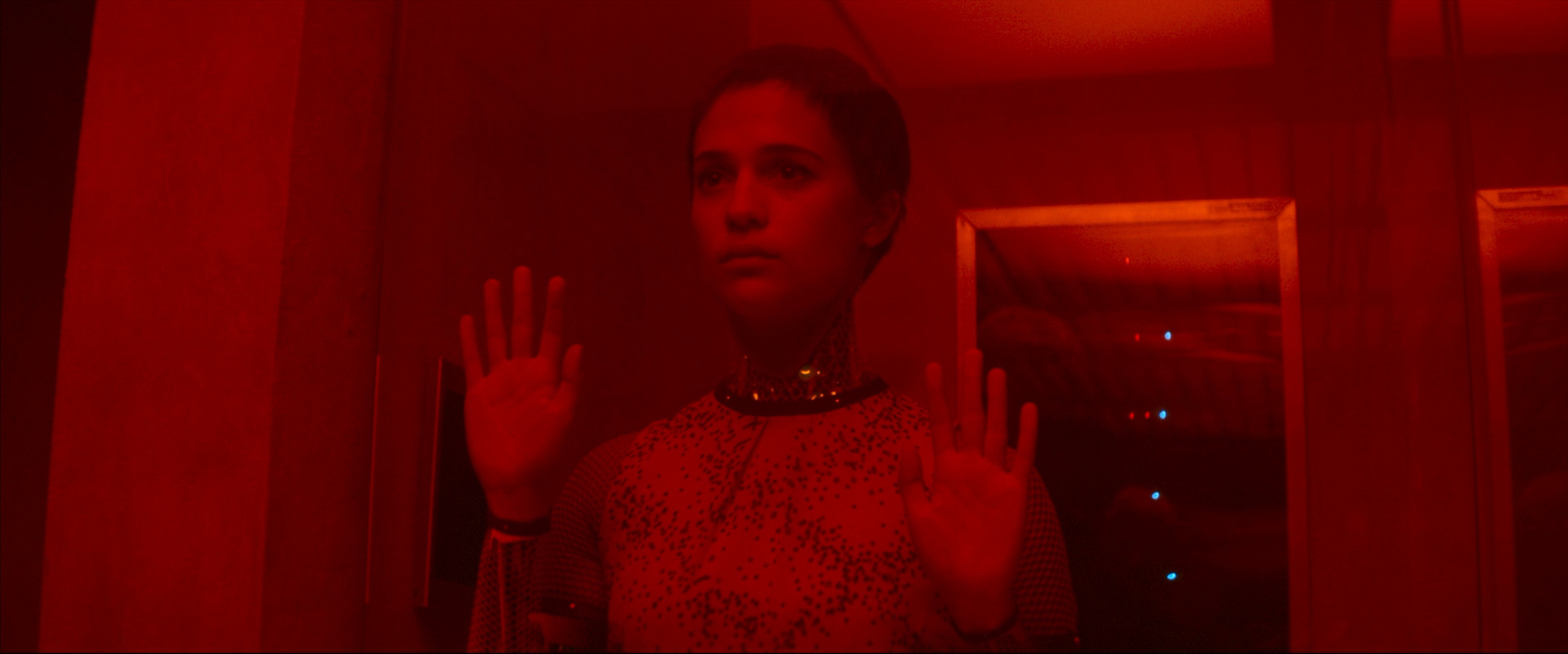
Nowadays, mystique has been liquidated into a new currency. “Authenticity” functions as what scholars Faye Mercier and Crystal Abidin call a discursive gaze - fixed both inwardly, where we evaluate our own realness, and outwardly, where we appraise the realness of others. We perform this realness for each other through a series of stylistic templates: speaking straight to the audience, making intimate disclosures, amateur aesthetics, etc.
In such a culture, an artist’s wish to remain partially unknowable seems foolish, and perhaps deviant. Mysteries only exist to be solved, such as earlier this month when Reuters gleefully ripped the mask off of anonymous artist Banksy. Meanwhile, previously respectable public figures seek validation through self-exposure - revelations that momentarily juice one’s stock in the attention economy.
Only now, 26 years into the 21st century, are we waking up to the longterm costs of living in this digital ecosystem. Artists are burning out from the demands of audience building, and their art is suffering for it. Nobody is happy, and something has to change. Which begs the daunting question: What comes next?
Magic: The Regathering
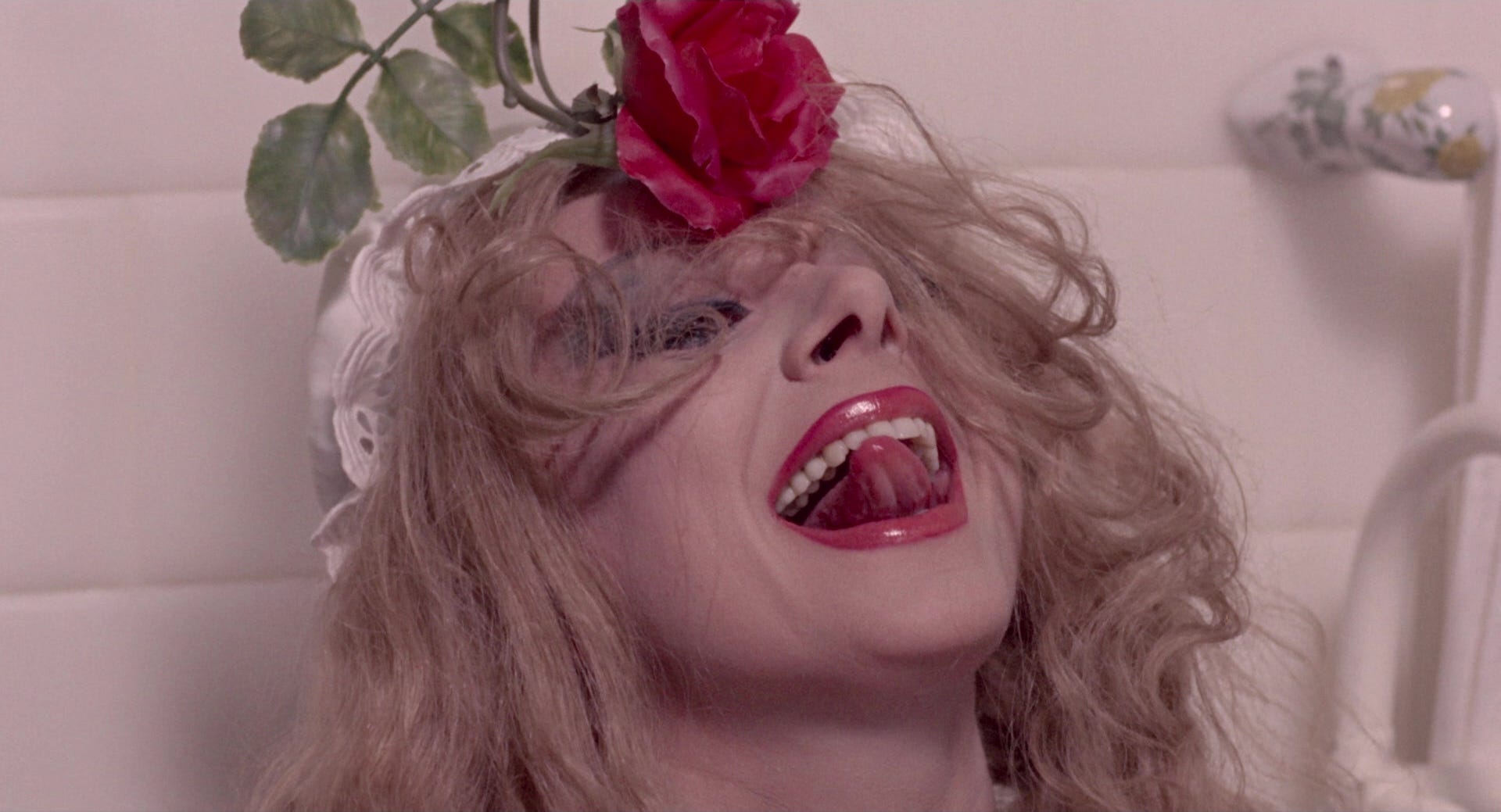
If you happened to be driving in LA in the summer of 2024, you may have spotted a mysterious billboard with nothing but a phone number. Curious commuters who called it heard heavy breathing and a raspy voice. “What’s your name, little angel?” Meanwhile, in Seattle, a Zodiac-like message was printed “at the request of Longlegs” in The Seattle Times.
These were promotions for the horror movie, Longlegs. Initially projected to gross $10 million, its innovative, low-budget “breadcrumb” marketing lifted it over $127 million worldwide.
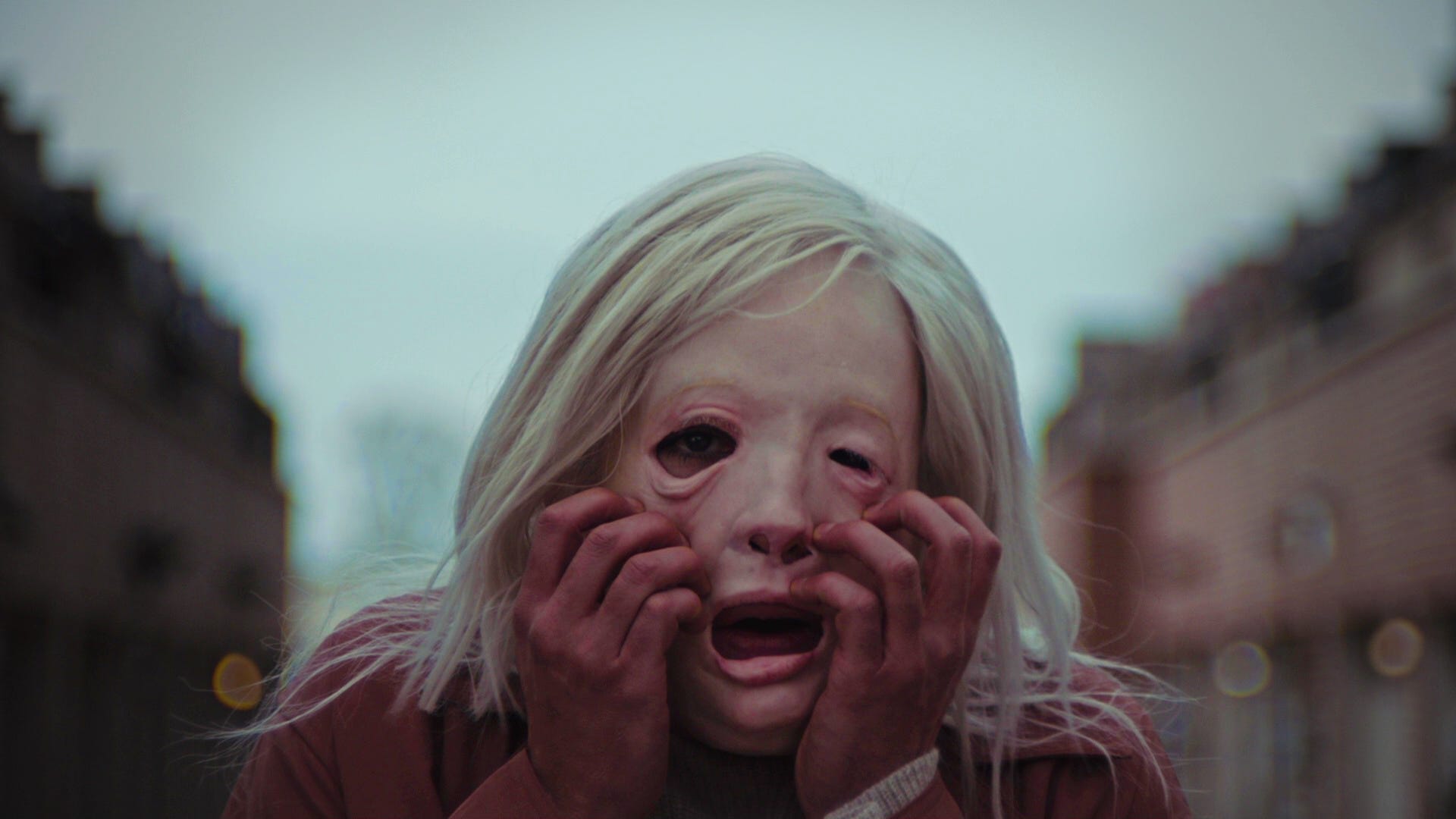
Last week, Eduardo, my wife’s uncle in Rio, sent us a video of Angine de Poitrine, a mysterious duo of math rockers from Quebec. Donning polka-dotted paper mâché masks, playing in odd time signatures, and speaking a nonsensical alien language in interviews, Angine de Poitrine is selling out shows in five minutes. Their vinyl albums, already out of print, are going for over $1,000 on eBay. The masked musician gimmick is not new - we’ve had Daft Punk, Sia, Fever Ray, Deadmau5, Slipknot, et al. But when the music is as mystifying as the masks, as it is with Angine de Poitrine’s microtonal melodies and complex rhythms, I take it as a sign that something new is stirring. Here and elsewhere, we seem to be slowly shrinking away from safe, frictionless relatability, and back toward the shadows.
We’ve now seen waves of influencers come and go. They grab our attention for a moment, then simply evaporate. We’ve already forgotten most of their names. An artist’s mystique, on the other hand, endures. Consider the still-discussed self-imposed isolation of Greta Garbo, or director Terrence Malick, who has not submitted to a formal interview since 1979. Then there are the literary mystery men - Pynchon and Salinger. It’s true, these figures didn’t have to compete with the noise of the modern era. But by refusing to reveal themselves, is it not possible they gained way more than they missed out on?
That, I suppose, is the central question: How do outsider artists, such as NonDē filmmakers, think creatively to revive mystique in the current landscape?
In 2021, Neon acquired U.S. distribution rights for Memoria, the drama-mystery film from Thai director Apichatpong Weerasethakul, starring Tilda Swinton. As with all of his films, Memoria is more of an experience than a conventional story - in other words, it’s commercially challenging. So instead of releasing the film wide, Neon opted to withhold it. They vowed never to release it on Blu-ray or DVD, or allow it to stream on any service. It would only play in theaters in a traveling road show, going across the country for years, one week at a time. Though this turned out to be a dirty lie, it succeeded at bringing attention to a film that might have otherwise been overlooked, while challenging the prevailing wisdom that everything must be made available at all times.
I realize this is a provocation, not practical advice. For some, “sharing your process” works well - like Jennifer Esposito, whose frequent updates on her film Mary Rides the F Train I find very engaging. Artists who dare to defy the algorithms risk being buried. To cultivate mystique is a crapshoot, and not everyone should take it. But more of us must try. The dreamers must dream. For artists in the age of AI, mystique may be the rarest and most valuable quality we have. Let’s try using it.
News Reel
AI “filmmaking” in retreat? In a surprise move, OpenAI announced it’s shutting down its Sora video app, just months after launch. According to the The Hollywood Reporter, Disney is exiting the deal it signed with OpenAI last year, in which it pledged to license some of its characters for use in Sora, and invest $1 billion in the company. “You know what is more profitable than Sora was? Making actual films that people want to watch,” quipped Justine Bateman.
What is “Cultural Palantirism?” It’s a term proposed by Aimee Walleston to describe the abduction and abuse of beloved fantasy fictions, such as Game of Thrones and Lord of the Rings, in service of ideology. “What I have found increasingly interesting about this time period is how much art as a cultural force has been cast aside for this type of material, as though a cultural vertigo has claimed the imaginations of smart people and has forced them to remain in the realm of fantasy.”
Crisis, Community, and the Creative Gap. This week on FilmStack Daily Digest, we’re featuring must-read posts from Evan Shapiro, Ellis J. Sutton, and more.
“Unexpected beauty has taken a broader, more cosmic turn in recent years,” writes Mo_Diggs this week. “AI was supposed to replace human influencers, yet it hasn’t. There is an ineffable quality to beauty in general, let alone human beauty in the context of The Great Digital Replacement. AI ‘beauty’ may well have become the final straw for many who have lived with decades of tech-legible ugliness in our cities, our movies, etc.”
“Hollywood keeps extending the same tired brand franchises you knew as a child. SoCal culture feels like an antiquated merry-go-round where the same tired nags keep coming around in an endless circle.” - Ted Gioia, Four Steps to Hell.
This week’s Underexposed Movie Pick:
Memoria (2021, Apichatpong Weerasethakul)
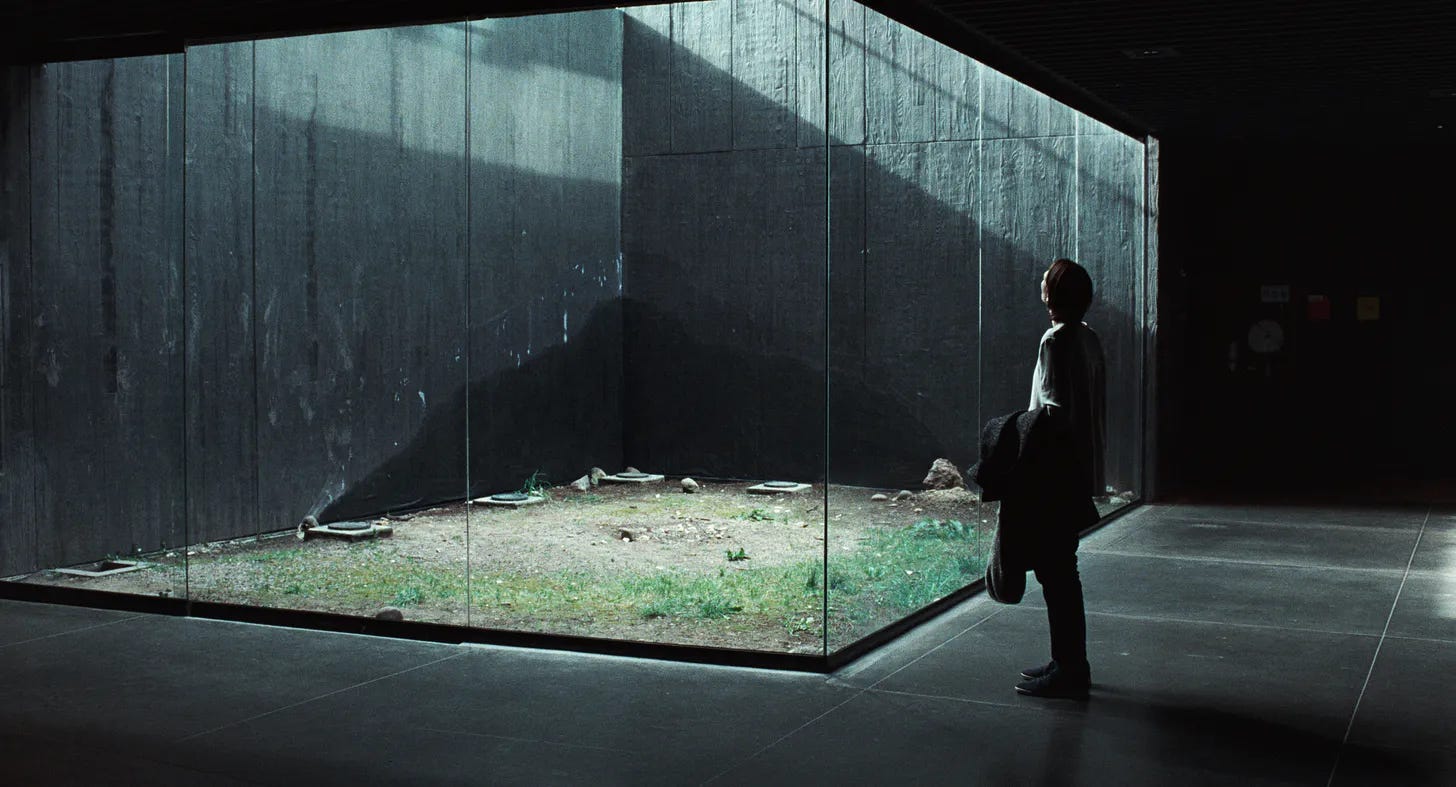
Jessica (Tilda Swinton), a Scottish florist visiting her ill sister in Bogota, Colombia, awakens one night to a single loud boom. She appears to be the only one who heard it. At a dinner, she’s informed someone she was sure had died is, somehow, still alive. Before long, it seems as though her whole being has been subtly unmoored.
I saw Memoria sitting shoulder to shoulder in a packed house at IFC Center. As mentioned above, the roadshow marketing cast an aura of mystery and urgency around the film that complemented it well. Having previously enjoyed Weerasethakul’s Tropical Malady, Uncle Boonmee Who Can Recall His Past Lives, and Cemetery of Splendour, and being a Tilda Swinton superfan (a Swintie?), it’s no surprise I loved this one. Maybe you will, too.
Where to watch
Off the Shelf
Every week, I give my paid subscribers an exclusive gander at one of my prized pieces of physical media. This week, I’m lifting the curtain for all.
Today’s object used to sit on the shelf of the Maitland Public Library, but through the marvels of eBay, found its way to mine. Eric Rohmer and Claude Chabrol’s study of Alfred Hitchcock’s first forty-four films was the first book-length analysis of the director when it arrived in 1957, and remains one of the most influential - compared in importance to D.H. Lawrence’s “Studies in Classic American Literature” for elevating Hitchcock from a “mere entertainer” to a master of cinema.


One More Fun Thing
Orson Welles’ drunk outtakes from a Paul Masson wine commercial.
Thank you for reading Underexposed. See you next Friday,
Alex
I understand how many people love sharing themselves and their process, but it makes me livid that we don't allow more room for those that don't. My personal life isn't for sale, and I feel like I'm wasting an audience's time with my raw work. I'm desperate to do my best work and find the best way to advocate for that. Honestly, I love adding mystery and "friction" to that process. For me, that feels natural. That feels authentic. When I wrote about the perils of the filmmaker-as-influencer model, I was thinking about this lack of mystique, but felt it was a concept so long discarded it didn't make sense including. So thanks for proving me wrong.
If there is one advice I've always hated it was to "share your process". I never was that much interested in anybody's "process" (except the greatest of greats, but even then, it was not that much about "process" and more about craft) that it always baffled me why would anybody be ever interested in mine.
Plus, I've always loved the mystique of the Golden Era of Hollywood - everything felt elevated, dreamy, magical. Now everything has been reduced to mumblecore aesthetics - very unattractive.
And while I am a naturally gregarious person in general, having a somewhat mysterious, elevated, heightened presence feels very appealing to :)
So thank you for writing that!