
Sequels You Will Never See
Five follow-up films that were (mercifully?) abandoned
Underexposed is a weekly ad-free film publication celebrating great underseen cinema and moviegoing culture. Paid subscribers get exclusive essays, videos, and more - while supporting the future of movie culture.
When discussing movie stuff with movie people, you will sometimes encounter the Sequel Snob - he who argues sequels are inherently superfluous, and tarnish the sanctity of the original, or some such bullshit.
I am not a Sequel Snob. There are sequels I love just as much and even more than the originals, others that deepen my appreciation of the first film in surprising ways, or boldly branch off to do something entirely new.
That’s not to say the Sequel Snobs are entirely wrong. Indeed, most sequels are nothing but vulgar cash grabs.
Today, we’re dredging the dustbins of Hollywood for some of the strangest, most unhinged sequels we never got to see. Were they cynical rehashes? Or brilliant unrealized visions you’d actually like to watch? You will be the judge.
That’s right - this is a very special interactive edition of Underexposed - where you vote YES if the sequel sounds intriguing, or NO if it should remain on the scrap heap.
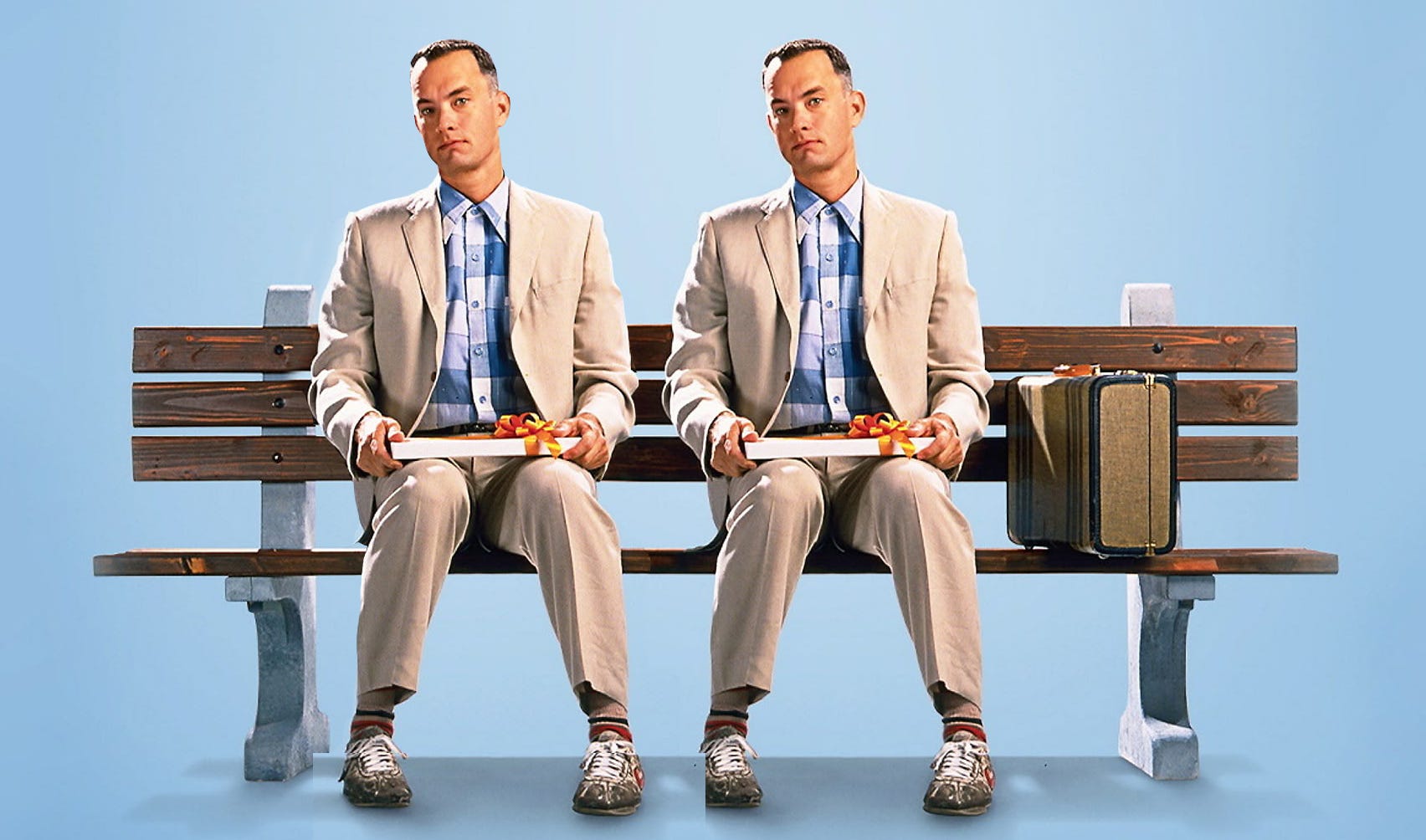
Forrest Gump 2: Gump & Co.
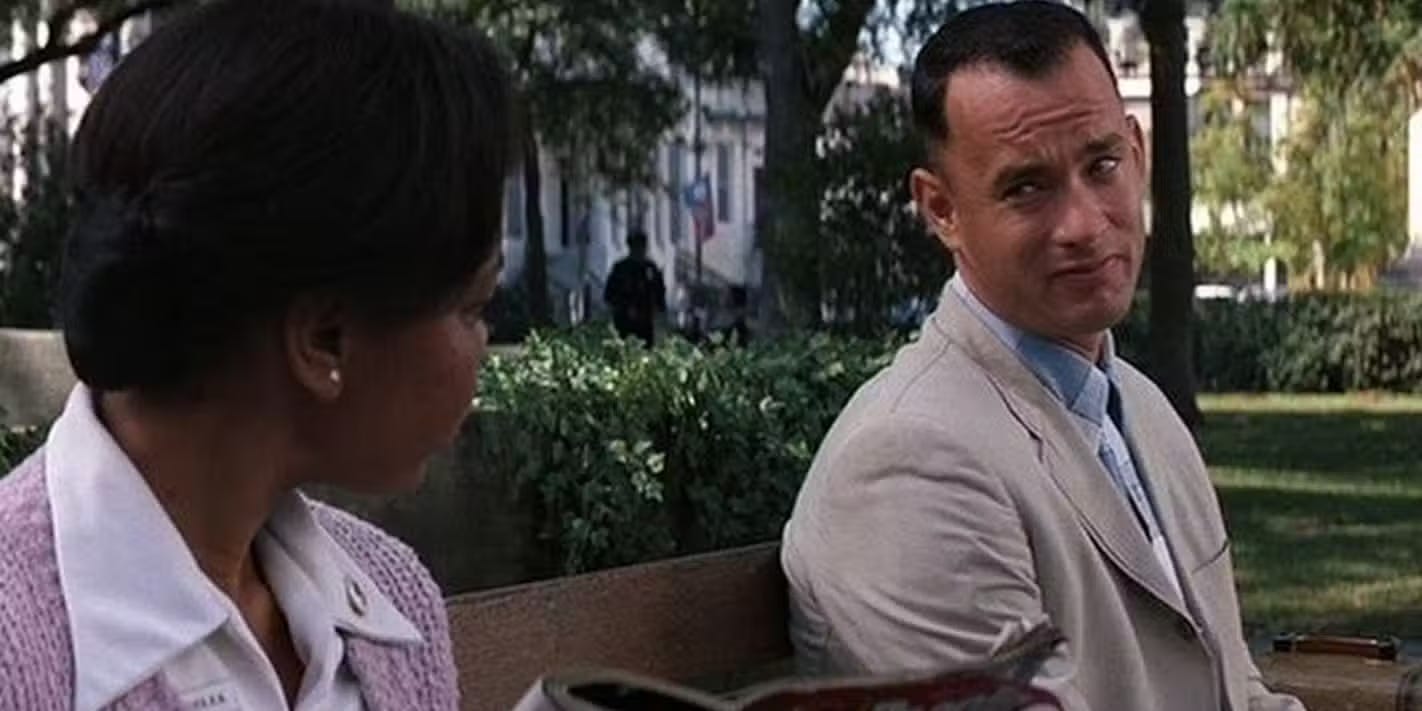
The supposed wisdom of idiots is something Americans strongly identify with. This explains how, in 1995, Robert Zemeckis turned the little-known novel “Forrest Gump” into a household name. That Gump, a self-described “certified idiot,” would have been present at so many pivotal US events somehow makes sense to American audiences. $678-million-and-six-Academy-Award-wins worth of sense, to be exact.
That very same year, author Winston Groom pumped out “Gump and Co.,” a follow-up novel in which Forrest (deep breath) helps destroy the Berlin Wall, crashes the Exxon Valdez, invents New Coke, and hobnobs with cultural icons like Saddam Hussein and actor Tom Hanks (really).
Would Gump 2 have been a good movie, or a soulless retread? We may have found out, if not for one of American culture’s harshest critics - Osama bin Laden. Screenwriter Eric Roth completed the script for Forrest Gump 2, and turned it in, on Monday, September 10th, 2001.
Weeks after the terrorist attacks, Roth met with Hanks and Zemeckis. “[We] looked at each other and said, we don’t think this is relevant anymore,” Roth told Slashfilm in a 2008 interview. “The world had changed. Now time has obviously passed, but maybe some things should just be one thing and left as they are.”
E.T. II: Nocturnal Fears
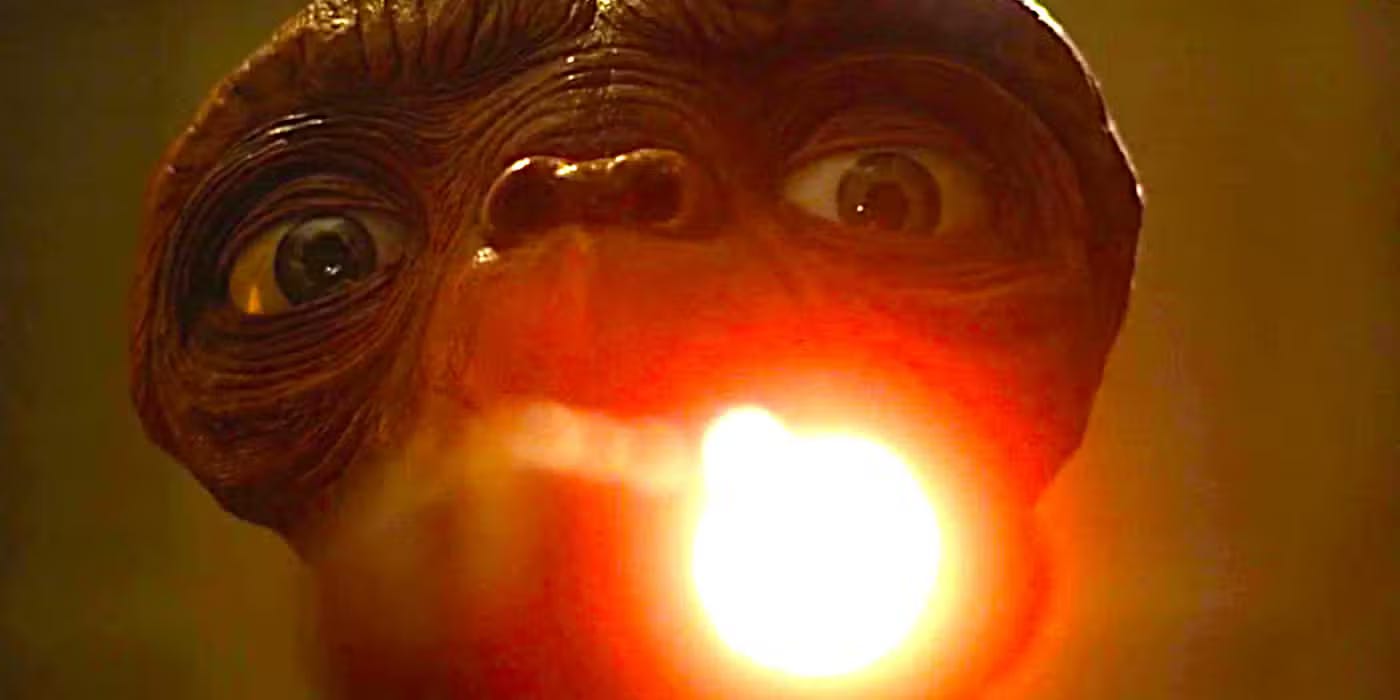
In the summer of 1982, E.T. was rocketing into the box office stratosphere - spending sixteen weeks at number one - a record to this day. Based on an imaginary friend Steven Spielberg conjured during his parents’ divorce, the classic boy-meets-alien tale packed the perfect bittersweet ending.
Or did it? Commercially speaking, would a sequel make it even sweeter? Like, what if E.T. came back with a bunch of merchandisable alien buddies? Or - just spitballing here - what if this time, E.T. was an evil red-eyed albino with steak-knife teeth who abducts and tortures children?
On July 17, 1982, Steven Spielberg re-teamed with E.T. screenwriter Melissa Mathison to write a treatment for E.T. II: Nocturnal Fears. The ten-page document leaked online some years ago, and the plot is decidedly un-Reese’s-Pieces-friendly. Nocturnal Fears would have followed Elliott and his pals after they’re abducted by hostile space invaders. After a grim stretch of second-act torment, the kids manage to signal their pruny pal E.T. to rescue them.
In the end, cooler heads prevailed, and talk of an E.T. sequel went quiet. “Sequels can be very dangerous because they compromise your truth as an artist. I think a sequel to E.T. would do nothing but rob the original of its virginity,” Spielberg later confessed. Then again, who among us wouldn’t enjoy watching a wrinkly space botanist lose his virginity?
RoboCop 2: The Corporate Wars
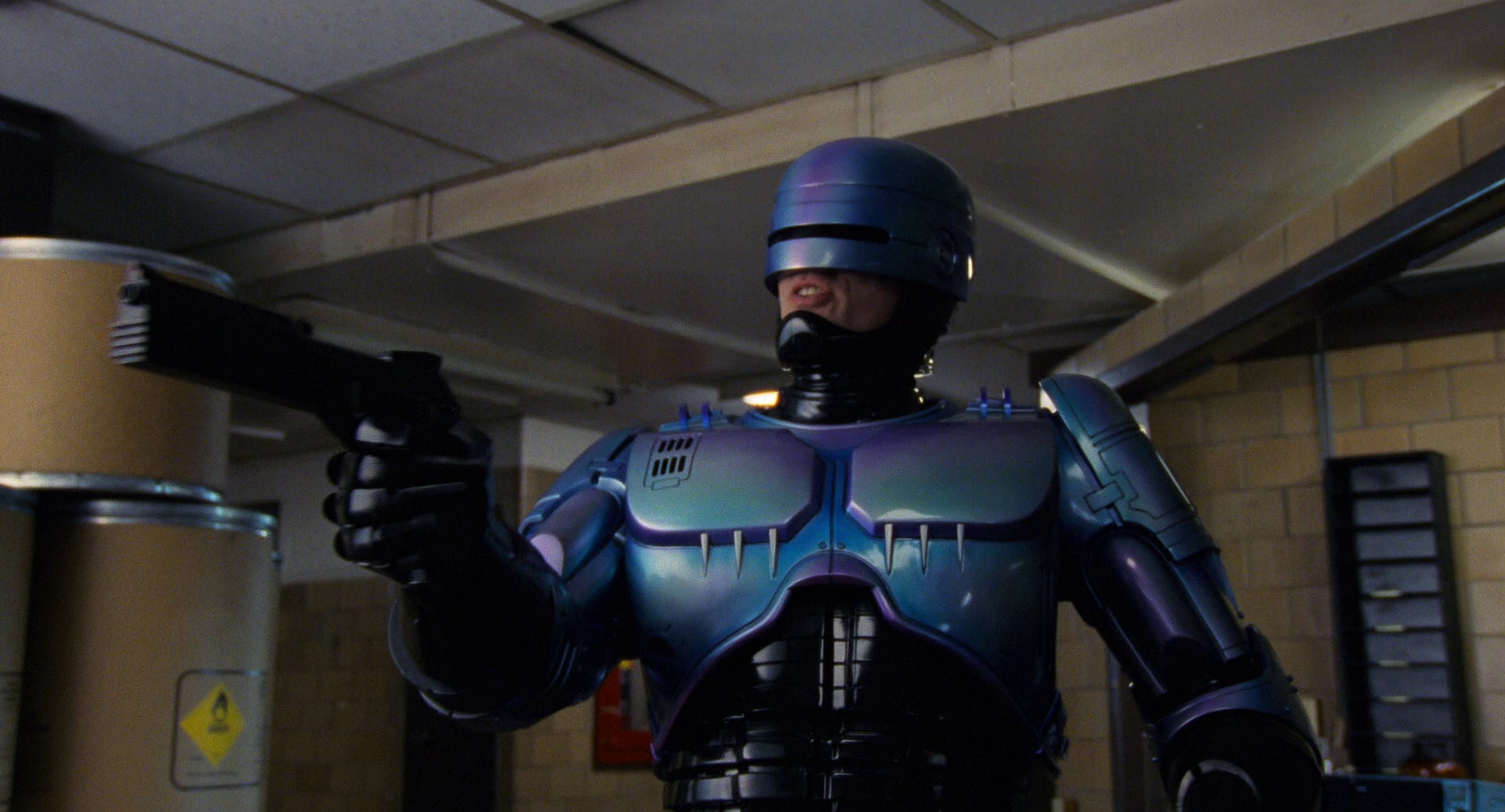
When Paul Verhoeven first read the script for RoboCop, he called it “American nonsense” and chucked it in the trash. But his wife fished it out, read it, and convinced him to make it. RoboCop went on to become a classic, all-too-prescient satire of, well, American nonsense.
It was also a commercial smash. So in September 1987, RoboCop screenwriters Edward Neumeier and Michael Miner were tapped to pump out a sequel - in three months.
Set 25 years after the events of the first movie, RoboCop 2: The Corporate Wars was to take place in a new United States named AmeriPlex, where the rich occupy gated cities, while the multitudes of poor “OutPlexers” cower in shanty towns. When an influential tech billionaire named Ted Flicker plans to make the national government into his own private corporate entity, he partners with the president - previously a comedic TV star. Unfathomable, I know.
Apparently, the studio wasn’t thrilled with this direction. Neumeier and Miner and were fired early the next year, and replaced by comic writer Frank Miller. The RoboCop 2 we got was enjoyable enough, though safer and friendlier than the original. So what do you think - is it a shame we missed out on The Corporate Wars, or is it just as well to be watching it unfold in present day reality?
The list continues below. But first, the news.
News Reel
“Gen Z Is Buying DVDs and Blu-rays While Streaming Prices Keep Rising,” reports Jeff Rauseo this week, citing sales numbers from Digital Entertainment Group. 4K Blu-ray sales in the United States rose 12 percent in 2025 compared to the year before - the first year of growth since 2018, and the premium media market is growing even faster. “For a generation already getting crushed by housing costs, student loans, inflation, and global economic uncertainty, the math on streaming subscriptions is starting to feel genuinely absurd compared to buying used media for a few dollars at a time.”
“I don’t need new movies to venerate older movies!” Freddie deBoer howls this week: “Reverence is annoying on its own terms; I much prefer genre entertainments like action, horror, and comedy to be fun rather than self-impressed. But reverence is also bad because it inevitably breeds redundancy. Once the primary goal becomes to preserve and venerate what has come before, surprise becomes dangerous, innovation risks sacrilege. And so you get films and shows that seem weirdly afraid of themselves, constantly looking backward for permission.”
Art House Convergence Has Entered the ‘Stack. Did you know there’s a non-profit arts service organization dedicated to strengthening independent art house exhibitors? There is. Subscribe to Art House Convergence and, if you can, pledge your support.
“Happy people believe in universals and absolutes—not all the time, not in every regard, but in core regards. Great love is worth defending. Great art is worth defending, and by extension great geniuses. Family, nature. A life is built out of universals, not skepticisms; otherwise there’s just the chaos of whatever the phone is telling you is right or justified at a given moment.” - Matthew Gasda
Return to Casablanca: Brazzaville
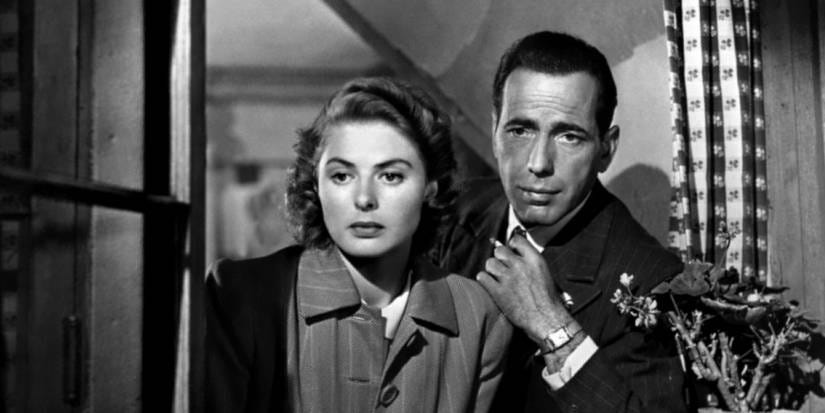
On the heels of the Netflix-Warner Bros. merger hype, I recently imagined how Netflix might turn Casablanca into a streaming franchise. “But Casablanca is already a franchise!” some of you insisted. And annoyingly, you were right. Sort of. Shut up.
Immediately after the success of the 1942 original, Warner Bros. announced a sequel, Brazzaville - the name of the garrison mentioned in the classic final scene. In the treatment written by Flash Gordon scribe Frederick Stephani, Rick is revealed to be… a spy for the Allied Forces. That made no sense, and thankfully, it ended there.
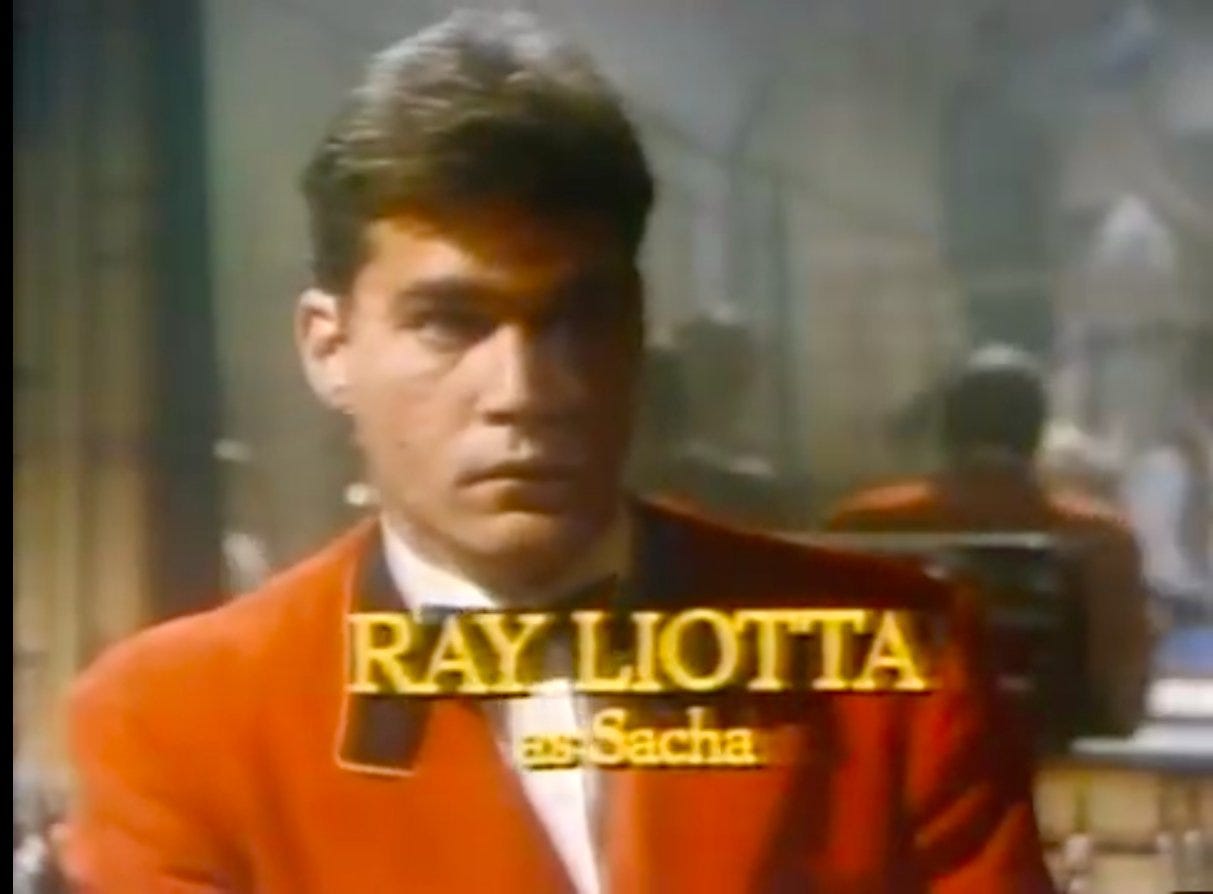
But not entirely! As time went by, there were a handful of short-lived, unlovable TV spin-offs - one in 1955, another in 1983 starring a baby-faced Ray Liotta.
François Truffaut turned down an offer to make a sequel in 1974. Madonna was rumored to be circling a Casablanca reboot, but it never took flight.
Then, in 1980, Casablanca screenwriter Richard Koch wrote a treatment for Return to Casablanca. Set in 1961, the film would have followed Richard, Rick and Ilsa’s son, apparently conceived during the events of the first movie.
The treatment was forgotten until 2012, when Jack Warner’s niece, Cass Warner, found it in Koch’s attic. “When he pulled that out and showed it to me, I almost fainted.” Warner recalled. She petitioned the studio to produce the movie, but they declined.
Will a proper Casablanca sequel film ever materialize on the big screen? Should it?
The Se7en Sequel: Ei8ht
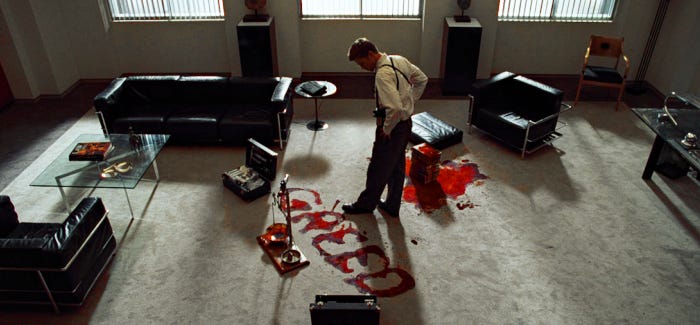
In the early 1990s, horror director Guillermo del Toro was sent Andrew Kevin Walker’s script for Se7en, but “didn’t connect” with its dark worldview. Lucky for us, there are deranged sickos like David Fincher running around - who went on to make one of the finest crime thrillers of the modern era.
One might assume the events that ended the film shut the door for sequels. But that didn’t stop New Line from announcing one anyway. Best of all, “Ei8ht” was already written! Well, technically, it was a completely unrelated original script they retooled to feature Detective Somerset - only this time, he would develop psychic powers.
Shockingly, both Morgan Freeman and David Fincher turned it down. The project mutated into 2015’s Solace, a poorly-received Anthony Hopkins and Colin Farrell vehicle.
In fairness… are the further adventures of Detective Somerset really the worst idea? A non-psychic sequel to Se7en that maintained the original’s grit and anguish sounds sinfully watchable to me. Or do we love the psychic angle, and lean into it? Maybe Gwyneth’s head is preserved in a crystal ball, Madame Leota style, and whispers clues to Somerset from beyond the veil?
Today’s Underexposed Movie Pick:
Notes on a Scandal (2006, Richard Eyre)
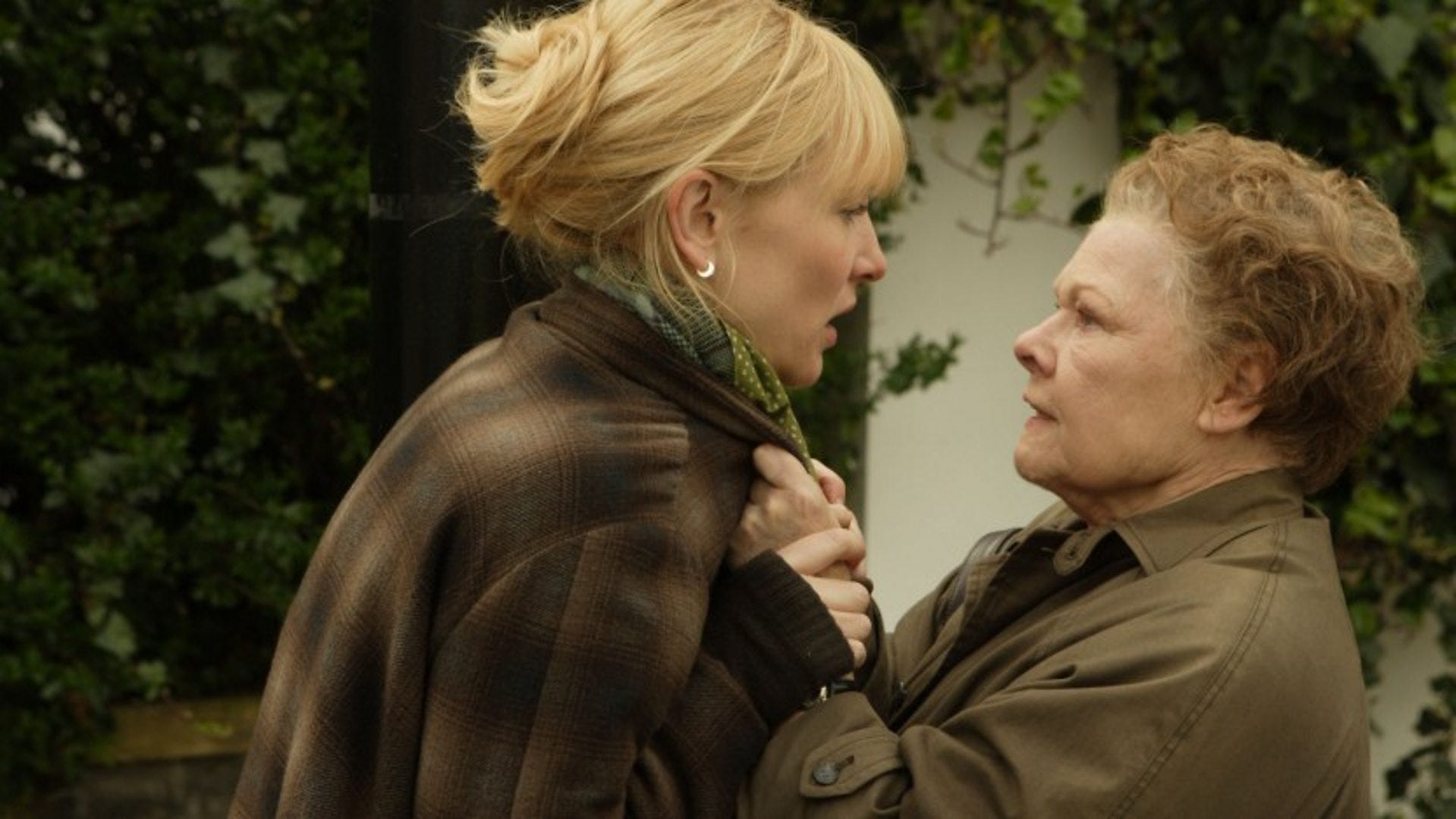
“Mind the gap” is a warning that hovers over Notes on a Scandal, Richard Eyre’s wickedly saucy psychodrama. It resounds in the illicit liaison at its heart - a married teacher with a fifteen-year-old pupil - and in the movie’s themes - namely, the ever-widening chasm between the lives we imagine for ourselves, and the lives we endure.
Barbara (Judi Dench), a solitary, overlooked history teacher in London, fixates on the new art instructor, Sheba (Cate Blanchett). When Barbara uncovers Sheba’s forbidden affair, she wields the secret like a weapon.
Adapted from Zoë Heller’s 2003 novel, Notes on a Scandal evokes two of my favorite psycho-dramatists, Claude Chabrol and Vladimir Nabokov. Jason Reitman read the script and wanted to direct, but Eyre, artistic director of the National Theatre, beat him to the punch.
Where to Watch Notes on a Scandal
“There is that natural inclination that is one of pure commerce that says, ‘Hey, you just had a hit, so do it again and you’ll have a hit.’ I’ve always said, ‘Guys, if there’s a reason to do it, let’s do it. But you guys can’t force me.
- Tom Hanks
One Last Cool Thing
That’s all for this week. Thanks for reading Underexposed. See you next Friday,
Alex
I want to ride the sequel-hating-bandwagon, but then these movies have made it hard to get on board:
Aliens
Austin Powers: The Spy Who Shagged Me
Back to the Future Part II
Captain America: The Winter Soldier
Dawn of the Planet of the Apes
Evil Dead II
Friday the 13th Part 2
Goldfinger
Guardians of the Galaxy vol 2
The Good, the Bad and the Ugly
Harry Potter: The Chamber of Secrets
Incredibles 2
Indiana Jones and the Temple of Doom
Finding Dory
Godfather Part II
Logan
LotR: Return of the King
Mad Max: The Road Warrior
Rocky II
ST: The Wrath of Khan
SW: The Empire Strikes Back
Terminator 2: Judgement Day
Top Gun: Maverick
Toy Story 2
When Nature Calls
That said (written?), it's not a long list in respect to how many sequels have been made overall. However, there are far more duds right out of the gate, so movies are movies?? ¯\_(ツ)_/¯ ??
I love Forrest Gump, but I’d be afraid if there was a sequel.