
Nine things my NYU students taught me about the future of filmmaking
Three encouraging. Three troubling. Three surprising.
“To practice any art, no matter how well or badly, is a way to make your soul grow. So do it.” - Kurt Vonnegut
I didn’t go to film school. Whatever knowledge I possess was scavenged in the trenches - first as a wide-eyed assistant on the movie Capote, then as I scrambled up the rungs of the production ladder until I somehow found myself a writer-director.
So imagine my surprise when, in the Fall of 2021, I found myself standing in front of a classroom of masked NYU undergrads. It was peak pandemic, and the Tisch Drama residency Stonestreet Studios, bless their hearts, deemed me fit to mold young minds. I’ve been teaching there, on and off, ever since - and sure, I may have put students onto a trick or two over the years - but as it turns out, the cliche is correct: students teach you right back.
This morning, as I headed off to teach my final class of the semester, I found myself pondering what these past few years might reveal about the filmmaking of tomorrow. I suspect some of you older readers have questions of your own, like, “Will there be filmmaking tomorrow?” and “Is Gen Z truly the soulless hive of hunched TikTok zombies that I’ve been told to fear?”
Yes, and sometimes - but not inevitably! As for what the future holds, here are nine predictions I’ve gleaned from the bright, ambitious hundreds of Gen Z actors and filmmakers I’ve spent these years with.
Underexposed is a weekly ad-free film publication, funded by an unruly band of readers like you. If you want to support the future of cinema appreciation and movie-going culture, consider upgrading to a premium subscription for exclusive essays and videos.
The Encouraging
1. The future will be resilient.
My students survived Zoom acting classes. As far as I’m concerned, they’re forged in tungsten carbide. When I first arrived, they had only just returned to in-person sessions, and remained under tight shooting restrictions: only one actor was allowed to unmask at a time, while the rest of us had to leave the room. This meant having to frame a shot, press record, and monitor from the hallway while a student acted alone. Outdoor shoots were allowed… but as winter encroached, they became difficult.
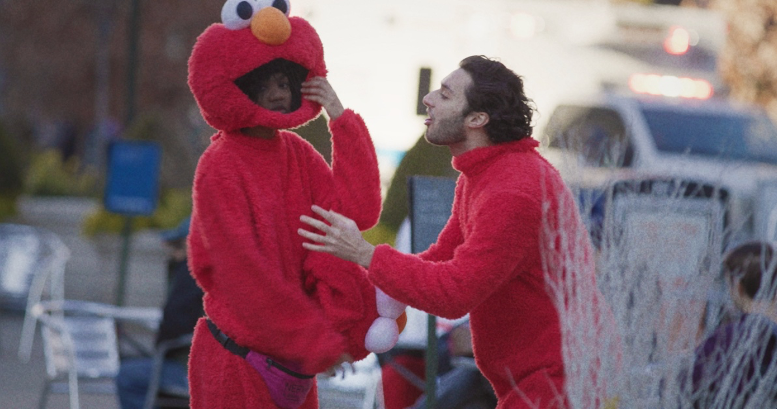
To my surprise, students rolled with it. I don’t recall hearing one complaint. The absurd limitations even led to creative breakthroughs. To brave the cold, we ordered knockoff Elmo costumes and made a series called “Elmos” about the private lives of street performers.
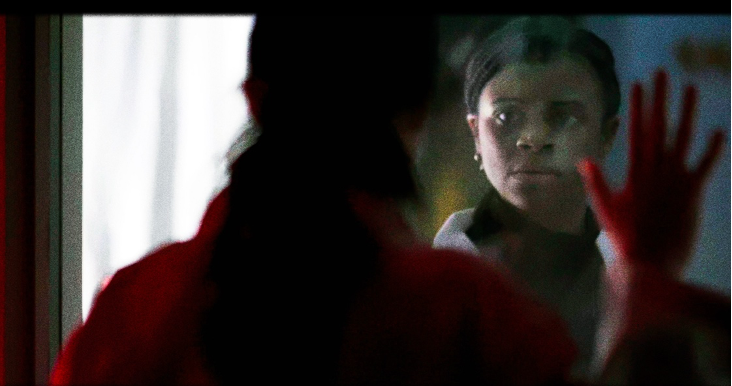
When it was too frigid for that, we commandeered a window separating the studio from a production office and wrote some sci fi-horror shorts. This way, actors could perform together without masks while still staying within the rules.
Neither of these concepts would have occurred to us under normal circumstances. In the moment, they felt downright triumphant - and still very much do. Limitations can be liberating. The struggles can be the rewards. My students seem to grasp this intuitively.
2. The future will be faster.
You’d think the streaming era would breed nimbler production cycles. Instead, the opposite has been true - and it only seems to be getting slooowwwer, with ever-widening gaps between ever-shrinking seasons of our favorite shows.
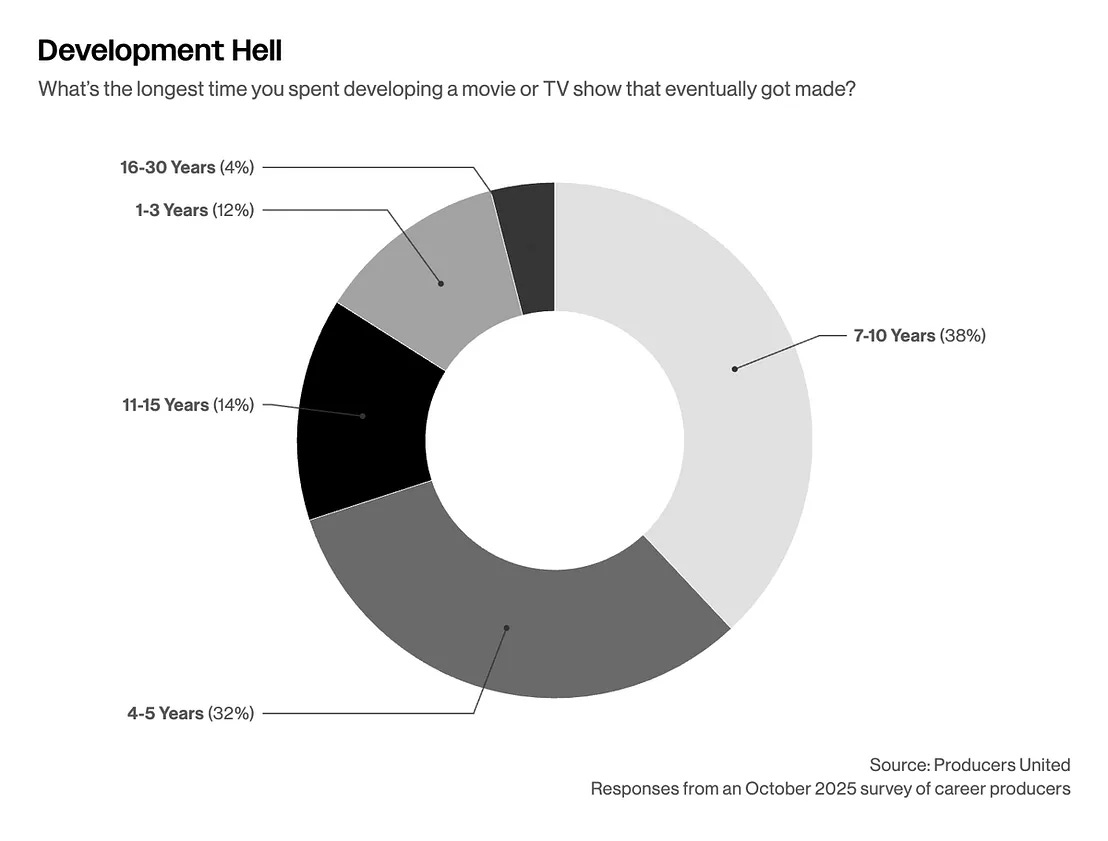
The film world also seems to be slowing. Recent data revealed that 70 percent of producers spend 4-10 years developing a single project.
We can do better than this. True quality takes time, yes - but it also takes practice. How can tomorrow’s filmmakers develop under these conditions? They can’t.
That’s why I advocate for shutting up and shooting a lot of small projects. At Stonestreet, I’ve seen how fast productions can - not should, but can - move. This semester, my advanced development class delivered stacks of 20-plus-page scripts, then shot them in hours. Imagine what they’d make next with even modest financing and sustained professional stewardship.
I’ve had so many talented students. They deserve a chance. It breaks my heart watching the industry cling to the same handful of A-Listers while stomping over the fresh talent sprouting just beneath their heels. Luckily, it won’t last forever. One day, this broken system will snap - there are signs it already has. Star power is losing its luster, yet every green light still rides on it. The future demands that we construct fresh onramps, and plant something new. Instead of wasting millions on endless rebranding and questionable 4K “upgrades” of already-popular shows, what if media companies invested in the future?
3. The future will be lowkey gorgeous, ngl
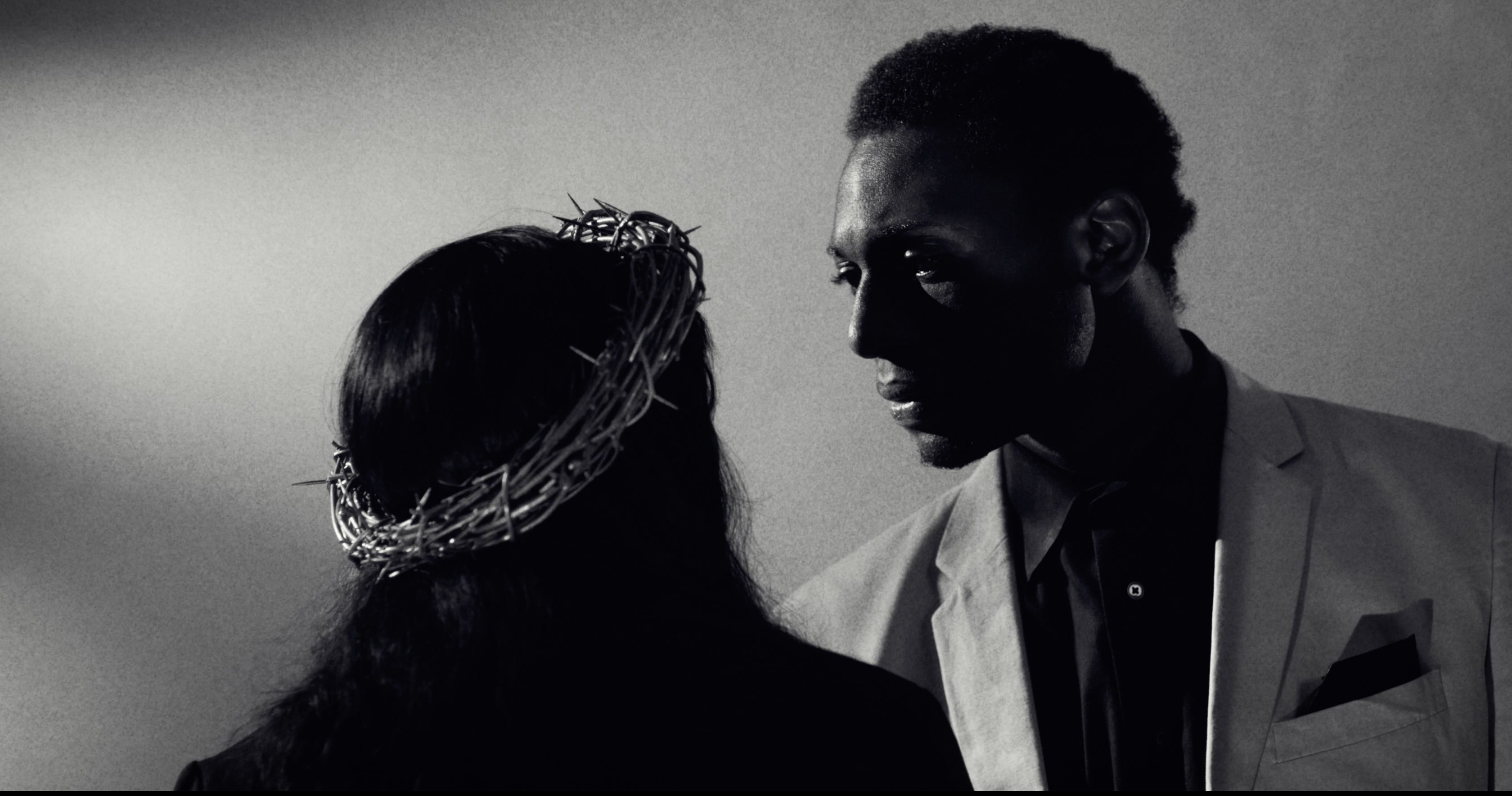
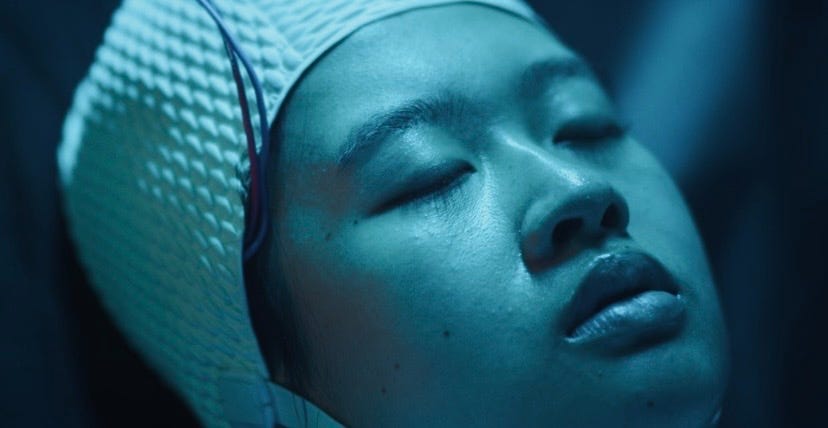
Film gear keeps getting smaller and less expensive. My students know how to wield it better than ever. Many now arrive with color-coded shot lists, storyboards, and meticulously assembled look books. This was not the case a few years ago. They’ve raised the bar, and they’re clearing it with ease.
Over the past few years, we’ve executed a dazzling array of visual styles - from gritty noir (above) to sleek, futuristic sci-fi (below). My students value the visual aesthetics of their films more than ever, and now have the vocabulary to describe them, and the tools to realize them. Those who embrace writing and editing enjoy even greater control over their work. An army of Sean Baker-esque multi-hyphenates is rising, I tell you - ready to battle for the future of filmmaking.
The Troubling
1. The future might not be film literate.
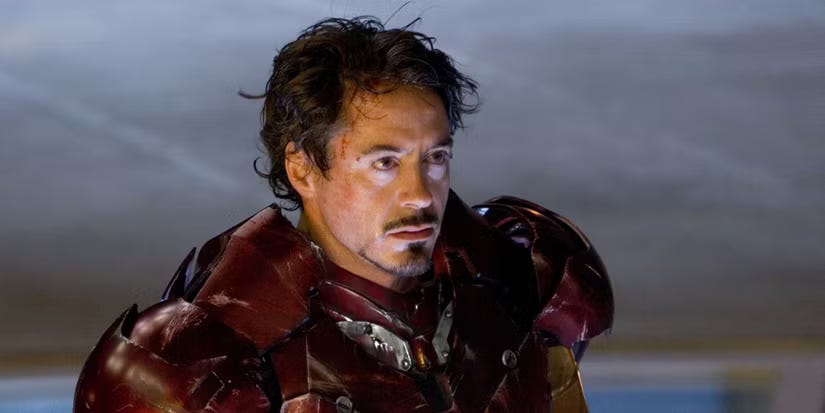
You might expect me to be a tiresome movie tyrant in class, scolding students for having not seen Dr. Strangelove. Mostly, I control myself. Honestly: If I came of age alongside the Marvel Cinematic Universe, YouTube, and social media, I can’t promise you I’d carve out time for Lubitsch, Lumet, and Mizoguchi.
That said, it pains me to imagine a future without film literacy. That’s what sparked me to create Underexposed: a desire to revitalize film appreciation by turning it into a treasure hunt. Will my efforts succeed? The future will tell.
2. The future might lack subtlety.
The social media era has not been kind to nuance. Subtlety is unreadable to an algorithm. It’s no wonder my students - as bright and wildly imaginative as they are - struggle with subtlety. A lot of that is because they’re young and starting out. But when I look at the contemporary shows and movies they latch onto, I see disconcerting lack of it there, too. Nuance emerges from craft, and craft takes patience to hone. The digital world simply doesn’t reward it.
I do see a faint glimmer of hope. Social media is in decline. If more young people step away from the dopamine slop machines, and toward quieter places like Substack, perhaps interest in the deeper possibilities of storytelling - and the mechanics of how to achieve it - will return. My fingers are crossed, but I’m not holding my breath.
3. The future might be painfully self-aware.
My students are often witty and culturally fluent, but rarely vulnerable. I get it. Working through “bad” ideas in front of others is terrifying, particularly for a generation raised to perform themselves online for friends, strangers, and algorithms. Self-awareness has its value, of course - but more often, it becomes a cage that restricts creative growth.
Here again, there is hope. It seems to me we’ve reached a fork. The future will depend on whichever path tomorrow’s filmmakers choose, and whether we - their audience - choose to follow them.
One thing seems clear to me: future artists will do better in the wilderness, where they can frolic more freely, and shed some of that harmful self-awareness. As the old world turns to stone, I hope they ‘ll build their own distribution platforms from the ground up.
The list continues below. But first, the news:
News Reel
This just in: Netflix to Buy Warner Bros. After Split for $72 Billion. “Rival Paramount, which sought to buy the entire company, including Warner’s cable networks, bid $30 all-cash for Warner Discovery, according to people familiar with the matter.”
But what does Jane Fonda make of this? Read her op-ed in The Ankler. “The threat of this merger in any form is an alarming escalation in a consolidation crisis that threatens the entire entertainment industry, the public it serves, and — potentially — the First Amendment itself. […] It will mean fewer jobs, fewer opportunities to sell work, fewer creative risks, fewer news sources and far less diversity in the stories Americans get to hear.”
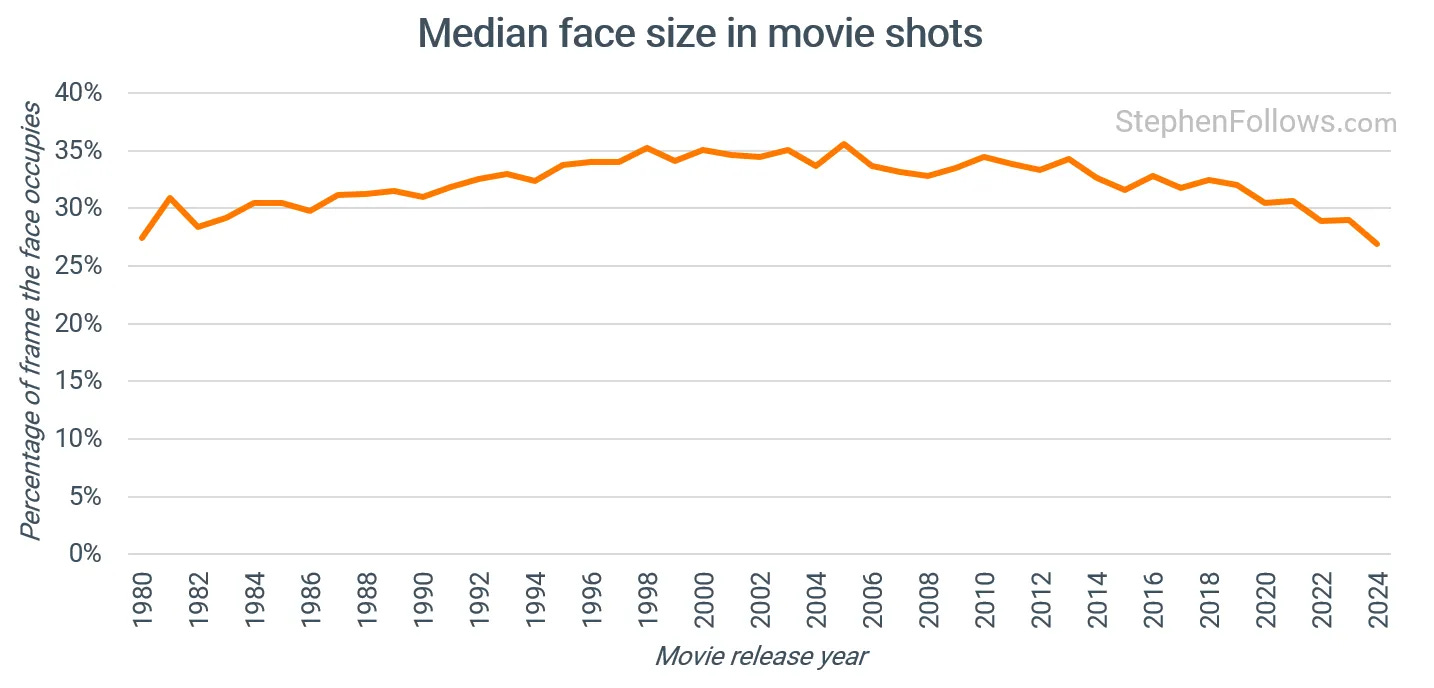
“Why are modern films framing actors’ faces differently than they used to?” asks
. “By looking at the release year of each film, we can build a picture over time. Doing this shows that, during the 20th century, faces got bigger. I have patchy data on movies from the first half of the century, but the data suggest an average face size of under 20% of the frame height.”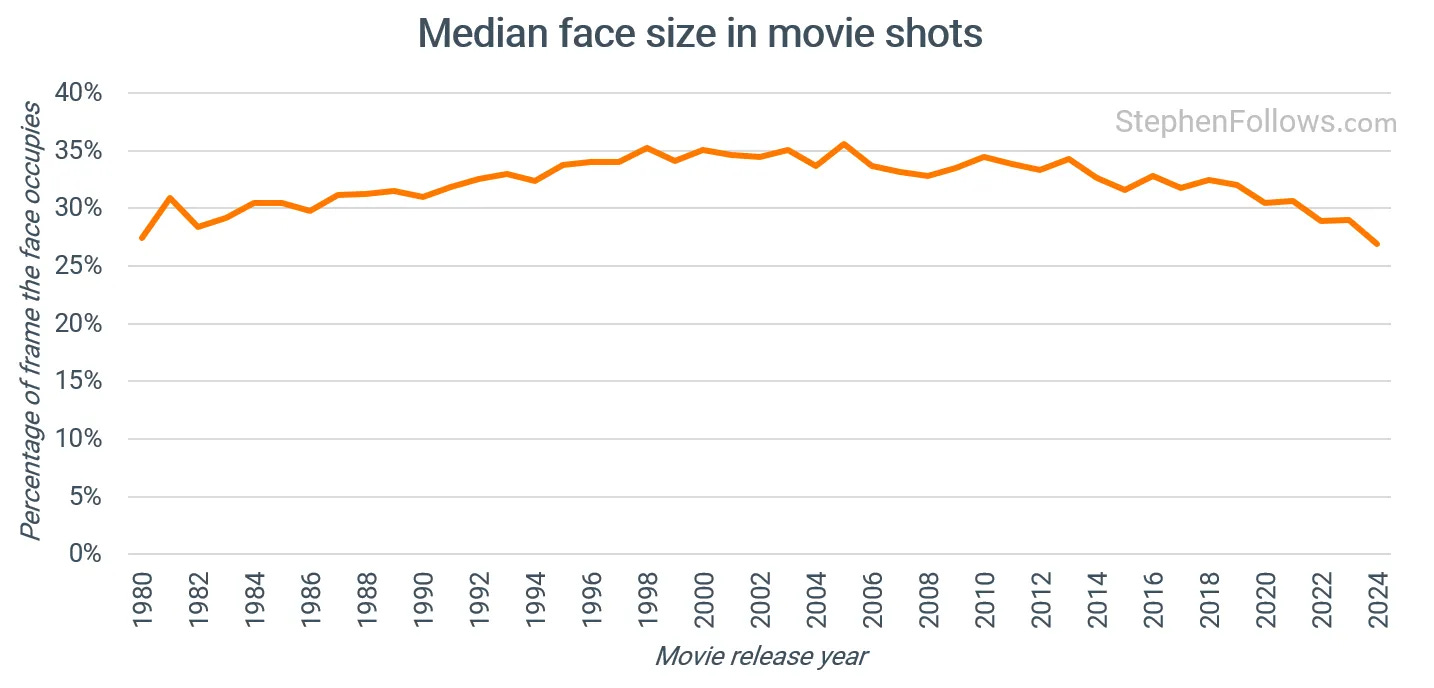
Today’s Underexposed Movie Pick:
The Firemen’s Ball (1967, Miloš Forman)
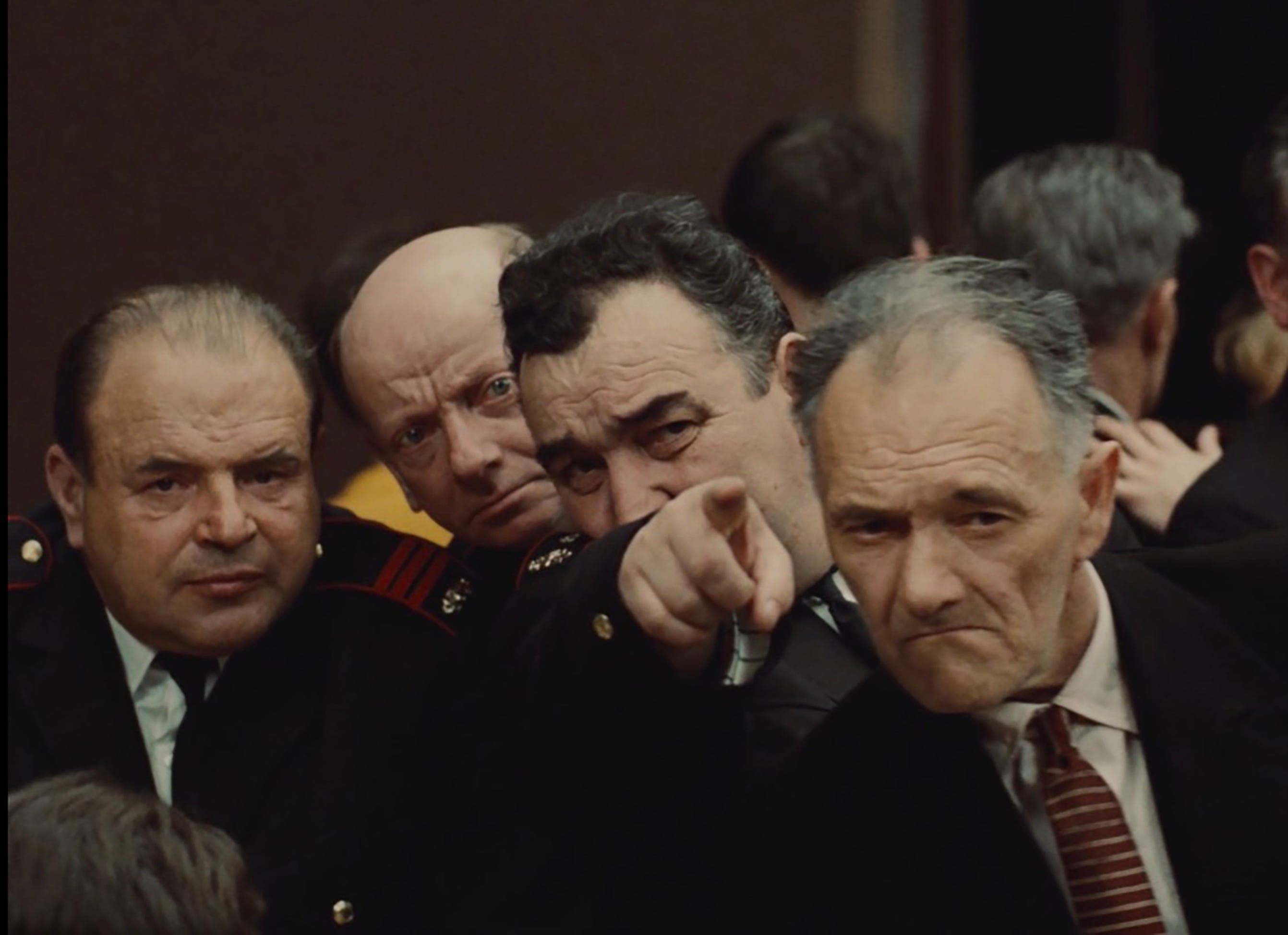
The Firemen’s Ball is a landmark of the Czech New Wave. A small-town volunteer fire brigade attempts to host its annual ball - with disastrous results. Both affectionate and merciless, Forman uses the botched festivities as a microcosm of systemic dysfunction under communism.
“In the past, they would have simply prohibited the showing of the film,” said Miloš Forman of the film. “But in that strange era before The Prague Spring, the communist leadership was losing its nerve and had started crafty maneuvers around its unpopular decisions. Now they would set up a screening of a film they wanted to ban in front of an invited audience. They planted a few provocateurs in the crowd to shout that the movie insulted the working people, and then ordered the film removed from distribution on the grounds that the ‘people’ had demanded it.”
Where to watch The Firemen’s Ball:
Now available on The Criterion Channel.
That’s all for the free edition. You can read more about Stonestreet founders Alyssa Rallo Bennett and Gary Bennett in my interview with them here. And now, for paid subscribers, back to our list:
The Surprising (to me, anyway)
Keep reading with a 7-day free trial
Subscribe to Underexposed to keep reading this post and get 7 days of free access to the full post archives.